Is Mexico Safe for Tourists? An Honest Regional Breakdown
In this guide
Mexico is neither the war zone of cable news nor a place to switch off your judgment — safety varies enormously by region, and the places tourists actually go are, overwhelmingly, fine. Roughly 40+ million international visitors come each year, the vast majority experiencing nothing worse than a sunburn and an overpriced margarita. This guide explains where risk actually concentrates, how to read US State Department advisories properly, and the specific, practical precautions that matter more than vague worry.
The core idea: Mexico is 32 very different places
Mexico’s security situation is state-by-state and even neighborhood-by-neighborhood. Most cartel-related violence — the statistic that drives the headlines — is concentrated in specific regions tied to trafficking routes and turf disputes, and it overwhelmingly involves people connected to those conflicts, not tourists. Meanwhile, the tourist economy is one of Mexico’s largest industries, and both federal and state governments police visitor corridors accordingly.
A useful mental model:
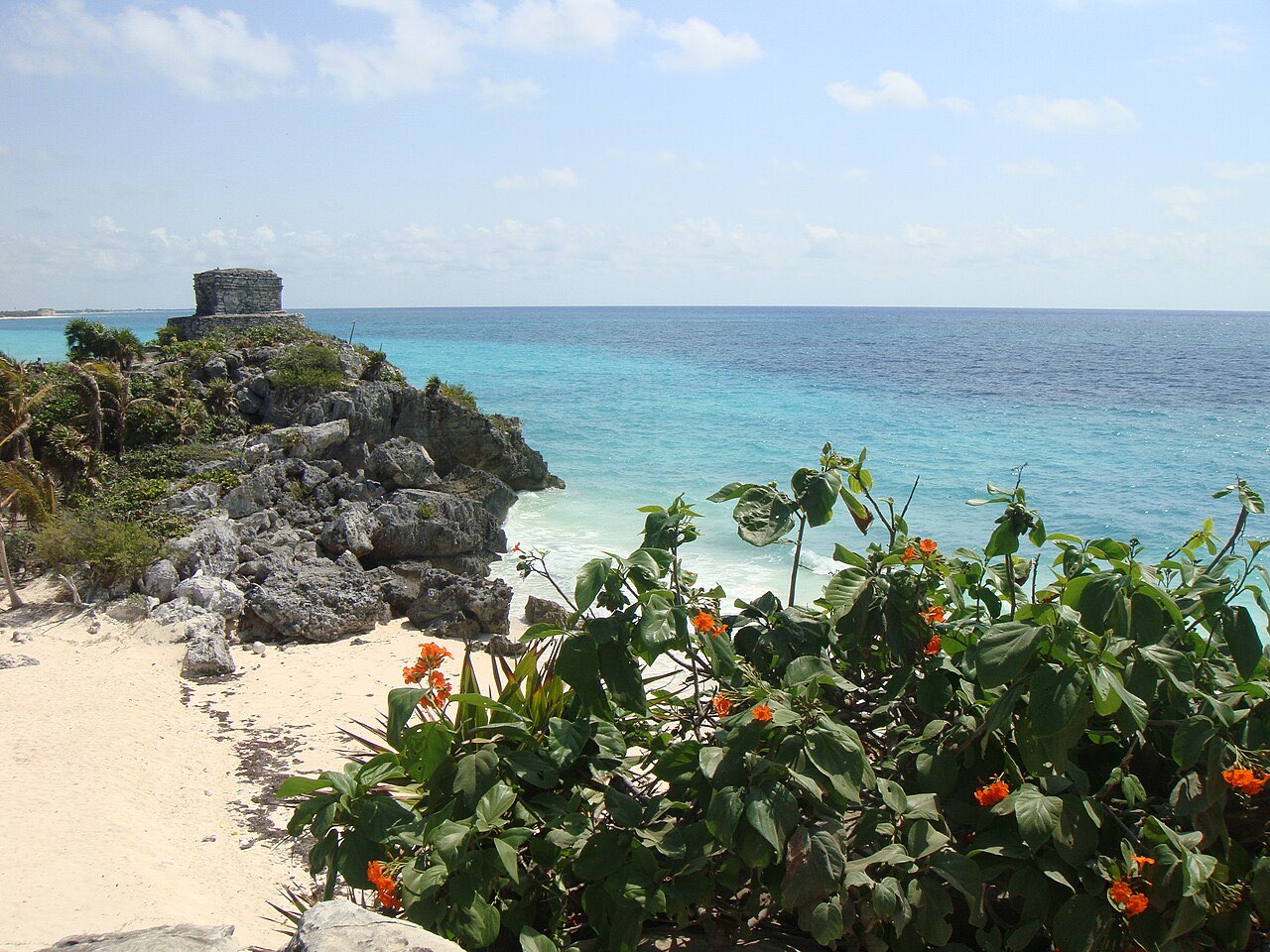
- Well-worn visitor regions — Mexico City’s central boroughs, Oaxaca City and its valleys, the Yucatán Peninsula (Mérida, Valladolid, the Riviera Maya), Puerto Vallarta and the Banderas Bay area, Los Cabos’ tourist zones, San Miguel de Allende, Guanajuato: day-to-day risk here is comparable to travel in much of Europe or US cities, dominated by petty theft and scams rather than violence.
- Mixed regions — parts of Baja California (Tijuana outside tourist areas), Quintana Roo’s party zones late at night, some central states: fine with standard precautions and location awareness.
- Regions to avoid — a handful of states carry US “Do Not Travel” advisories due to organized-crime conflict (historically states like Sinaloa, Tamaulipas, Guerrero outside specific zones, Michoacán, Colima, Zacatecas). Tourists have little reason to be in most of these areas anyway. One exception worth knowing: Mazatlán, a popular Pacific beach city, is in Sinaloa, which the State Department lists at Level 4 with US government travel limited to the historic center and malecón. Jalisco is Level 3 overall, but the advisory states there are no restrictions on US government employee travel to Puerto Vallarta, Riviera Nayarit, Guadalajara metro, Chapala and Ajijic.
Mérida, the Yucatán capital, routinely ranks among the safest cities in the Americas — safer by homicide rate than many large US cities. Painting it with the same brush as a border trafficking corridor is like judging the whole US by its most dangerous zip code.
How to read the US State Department advisories
The State Department assigns each Mexican state one of four levels — and the state-level detail is the part worth reading:
| Level | Meaning | Rough interpretation |
|---|---|---|
| 1 | Exercise normal precautions | Everyday travel |
| 2 | Exercise increased precautions | Same level as France, the UK, and much of Europe |
| 3 | Reconsider travel | Read the specifics; often fine in named tourist zones, risky elsewhere |
| 4 | Do not travel | Take it at face value |
Three things most travelers miss:
- Level 2 is the baseline for most of the world’s popular destinations. Mexico City, Oaxaca, and Quintana Roo have typically sat at Level 2 — the same as Western Europe.
- Advisories carve out exceptions. A Level 3 state often includes language like “no restrictions on travel to [the tourist zone]” for US government employees — a strong signal about where the actual risk sits.
- They change. Check the current state-by-state map at travel.state.gov close to your departure rather than relying on a months-old headline, and consider enrolling in the STEP program while you are there.
Tourist-corridor reality
What does risk actually look like where visitors go? Mostly this:
- Petty theft — phones lifted in crowded metros and markets, bags taken from chair-backs. The single most common incident type.
- Scams and overcharging — covered below; annoying, not dangerous.
- Drink-related trouble — the majority of serious incidents involving tourists trace to late-night intoxication, drug purchases, or isolated situations. Not buying drugs in Mexico is both a legal and a safety rule with no exceptions worth discussing.
- ATM and card skimming — use bank-attached machines; our money guide covers this in detail.
Taxis vs Uber
This is the most actionable safety choice you will make:
- Use Uber or Didi wherever they operate (Mexico City, Guadalajara, Mérida, and most large cities; in Oaxaca City regular Uber cars reportedly are not operating because of taxi-union pressure, so expect to use DiDi or Uber’s taxi option instead). Fixed price, tracked route, no cash needed, plate verification. In CDMX it is the default for visitors — see our Mexico City guide.
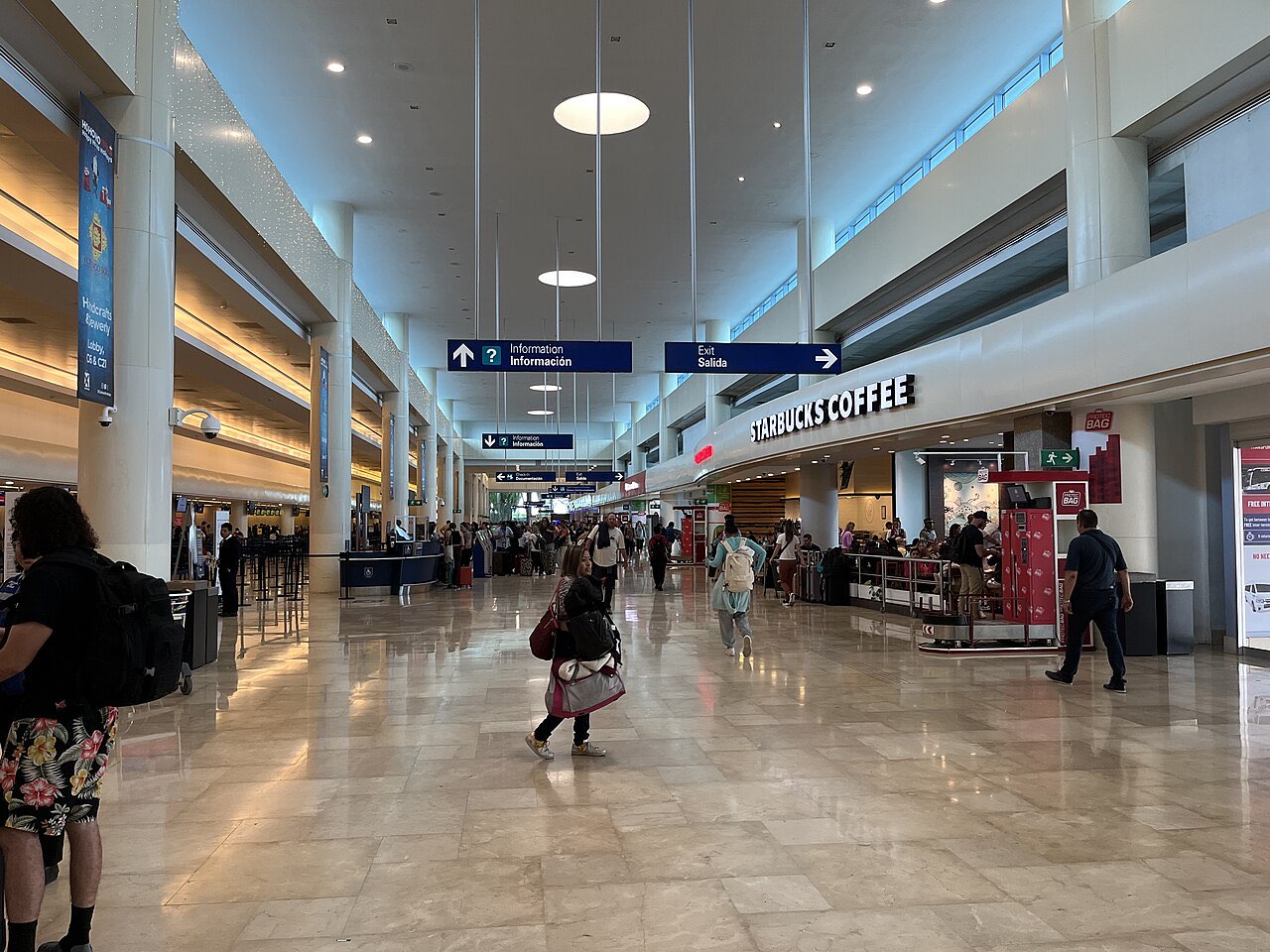
- Where apps are restricted (parts of Cancún’s hotel zone, some airports and beach towns), use the official taxi counters at airports (prepaid, zone-priced) or sitio taxis — registered stands with posted numbers — rather than hailing from the street.
- Agree on the fare first in any unmetered taxi, before you get in.
Practical precautions that actually matter
- Carry a modest amount of cash and one card; leave the passport in the hotel safe (a photo on your phone plus a paper copy suffices for daily life).
- Keep phones off café tables at street-side seats in busy areas.
- At night, favor Uber over long walks in unfamiliar zones — the standard is “lively street, fine; empty street, ride.”
- Drink bottled or filtered water and go easy the first days at altitude.
- Skip flashy jewelry and watches; nothing you wear should be worth a bad interaction.
- If driving, use toll (cuota) highways, drive by day, and keep the tank above half in rural stretches.
- Solo travelers, including women, are common on the main circuits — the same corridor logic applies, with extra weight on trusted transport at night.
Common scams to recognize
- The card-reader shuffle: your card gets “declined” and run again on a second device — watch every swipe, or pay cash at small vendors.
- Dynamic currency conversion: ATMs and terminals offering to charge you in dollars at a terrible rate. Always choose pesos — full explanation in the money guide.
- Inflated taxi fares / “the meter is broken”: solved by apps or agreeing the fare up front.
- Timeshare “free breakfast” hustles in resort towns: a hard-sell morning you will not get back.
- Distraction bumps in crowded markets — classic pickpocket choreography; keep bags zipped and in front.
- Fake police fines (rare, mostly while driving): ask for a written ticket payable at the station; that request usually ends the conversation.
If something does go wrong
Know the basics before you need them:
- 911 works throughout Mexico for police, fire, and medical emergencies, and operators in tourist areas frequently speak English.
- Tourist police patrol the main visitor zones of most destination cities — Mexico City, Cancún, Puerto Vallarta, Oaxaca — and exist specifically to help visitors with theft reports, directions, and disputes.
- File a report (denuncia) for any theft if you plan to claim it on travel insurance; your hotel can point you to the nearest Ministerio Público office, and the process is tedious but straightforward.
- Travel insurance is worth carrying — not primarily for crime, but because it is the same policy that covers the far more likely scenarios: a sprained ankle on a pyramid staircase, a bout of food poisoning that needs a clinic visit, or a missed connection. Private hospitals in major cities are good and dramatically cheaper than US equivalents, but they will want a card or proof of coverage at the door.
- Your country’s embassy or consulates handle lost passports; the US maintains consular agencies in most major tourist cities, and a passport photo page backup on your phone speeds everything up.
The bottom line
Plan a trip along Mexico’s established visitor geography — the capital, Oaxaca, the Yucatán, the Pacific resorts, the colonial highlands — and your realistic risk profile is petty theft and a taxi overcharge, managed with the habits above. Check travel.state.gov for current state-level detail, book trusted transport, keep your night-time judgment, and then let the subject go: the food deserves your attention more than the fear does. For a route that stays entirely on that well-worn spine, see our 10-day itinerary.
Frequently asked questions
Is Mexico safe for American tourists right now?
The major tourist destinations — Mexico City's central neighborhoods, Oaxaca, the Yucatán, Puerto Vallarta, Los Cabos — host millions of visitors annually with very low rates of serious incidents. Risk is highly regional, so the honest answer depends on where in Mexico you are going, not on the country as a whole.
What do the US State Department advisory levels mean?
The State Department rates each Mexican state from Level 1 (exercise normal precautions) to Level 4 (do not travel). Most tourist destinations sit in Level 2 states, the same level assigned to much of Western Europe. Check the state-by-state detail at travel.state.gov rather than reacting to headlines.
Should I use taxis or Uber in Mexico?
Use Uber (or Didi) wherever it operates — it removes fare negotiation and creates a trip record. Where apps are blocked or unavailable, use official sitio taxis or hotel-arranged cars rather than hailing on the street.
Is it safe to walk around Mexico City at night?
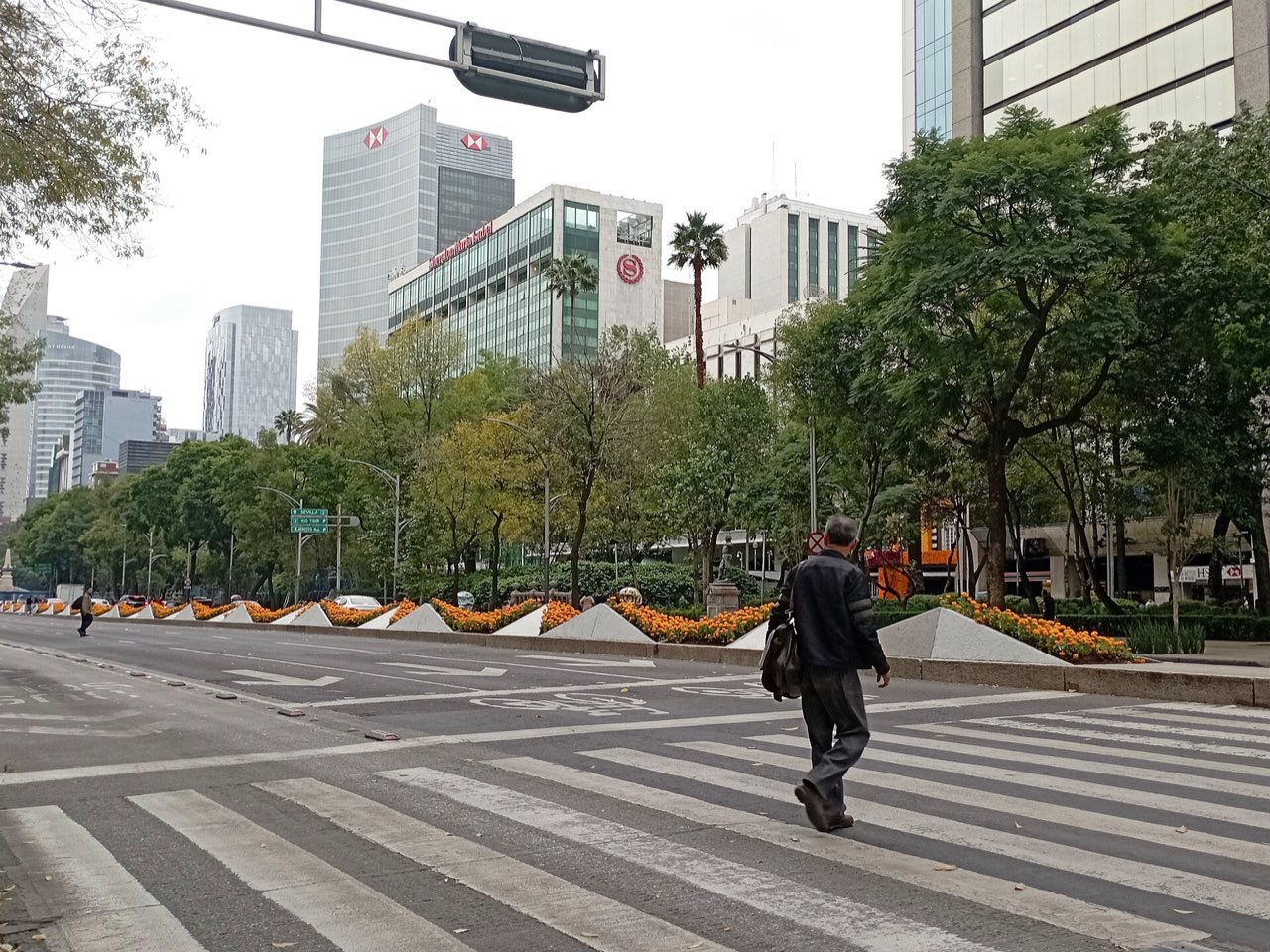
In the main visitor neighborhoods — Roma, Condesa, Polanco, the busy parts of the Centro — evening walking is normal and streets stay lively late. Apply big-city rules: stick to lit, populated streets, keep your phone out of sight at quiet corners, and take an Uber for longer late-night hops.
Keep planning
- Best Time to Visit Mexico: Regions, Seasons, and Hurricanes
Best time to visit Mexico by region: the dry season (November-April) suits most trips; learn the hurricane dates for the Caribbean and Pacific coasts.
Updated Oct 2026 - Mexico City Airport (AICM) to the City: Metro, Metrobús, Uber, Taxi
How to get from Mexico City airport (AICM) to the center: Metrobús Line 4 for 30 MXN, Metro, Uber or DiDi, authorized taxis, plus the AIFA train and traffic tips.
Updated Oct 2026 - Mexico Entry Requirements: Passport, FMM Tourist Card, Customs
What tourists need to enter Mexico in 2026: passport rules, the digital FMM tourist card, the 180-day limit, the non-resident fee, and customs limits.
Updated Oct 2026